

close
Choose Your Site
Global
Social Media

Views: 0 Author: Site Editor Publish Time: 2026-11-23 Origin: Site


Expanding an audio-visual accessory catalog requires navigating consumer expectations for effortless installation. Buyers increasingly demand setups they can complete in minutes. Conversely, premium audio equipment relies on uncompromising mechanical reliability to perform safely. Selecting the wrong hardware design for your target demographic drives up return rates incredibly fast. It also significantly increases liability risks from accidental equipment drops. This mismatch routinely frustrates professional AV installers attempting clean integrations. You risk damaging your brand's reputation if users experience sagging brackets or dropped speakers. We provide a clear, evidence-based framework to thoroughly evaluate clamp-on versus screw-in mounting mechanisms. Buyers and product managers will learn exactly how to optimize their inventory using this guide. You will discover how to match hardware to user proficiency properly. We show you how to reduce tedious post-purchase friction. Ultimately, mastering these mounting mechanisms ensures long-term customer success and improves your profit margins.
Clamp-on mounts prioritize non-destructive, tool-free installation, making them ideal for renter-heavy demographics and lightweight soundbars, though they carry higher risks of vibration fatigue.
Screw-in mounts (VESA-attached or wall-mounted) deliver superior static load capacity and zero-sag reliability, serving as the standard for premium, heavy-duty audio setups and professional integrations.
Catalog optimization requires segmenting your product range by end-user: DIY consumers favor clamp-on agility, while professional AV integrators demand screw-in permanence.
Evaluating a speaker mount involves looking beyond marketed weight capacities to assess steel gauge, vibration dampening, and universal VESA compatibility.
Start by analyzing the massive market shift toward non-destructive hardware. Many consumers today live in rental properties governed by strict lease agreements. They actively avoid drilling deep holes into living room walls. These users highly prefer DIY-friendly, renter-safe hardware setups. Conversely, dedicated home theater enthusiasts demand permanent, rock-solid installations. They want perfectly aligned audio equipment to maximize acoustic dispersion. Your inventory strategy must reflect this sharp demographic divide.
Next, carefully consider the direct business impact of hardware design. Hardware complexity correlates directly with escalating customer support tickets. If an everyday consumer struggles to install a complex bracket, they simply return the product. High product return rates eat into your profit margins rapidly. You need products they can install confidently on the first attempt.
Finally, you must establish strict success criteria for your catalog. A successful product range relies on balancing three specific variables during development.
Soundbar weight: The chosen hardware must support the audio unit safely without exhibiting structural sag.
TV VESA compatibility: The bracket mechanism must align properly with existing television mounting patterns universally.
Technical proficiency: The required installation process must accurately match the end-user's actual DIY skill level.
Matching these variables prevents post-purchase dissatisfaction. It ensures buyers keep the hardware they purchase and recommend your brand to others.
A clamp-on soundbar mount utilizes adjustable brackets and friction clamps securely. These components grip the television bezel directly without screws. Some minimalist designs simply rest above or below the screen utilizing calibrated tension. They avoid permanent hardware modification completely.
The primary advantages of this system appeal strongly to casual users.
Zero drilling required: Users completely avoid wall damage and tedious stud-finding procedures.
Rapid deployment: DIY consumers heavily appreciate the intuitive, tool-free setup process.
High adaptability: They accommodate varying TV depths and permit minor setup adjustments effortlessly.
However, you must acknowledge the harsh implementation realities and mechanical risks. Vibration fatigue presents a very real, constant threat to this design. Sustained low-frequency audio creates intense micro-movements across the chassis. These relentless vibrations can loosen tension clamps over several months. Users must remember to retighten them periodically to maintain a safe grip.
Additionally, you must respect strict weight limitations. These friction mechanisms suit lightweight to medium-weight soundbars exclusively. Heavy acoustic loads create a severe risk of bracket sagging. Furthermore, aesthetic interference occurs frequently in modern setups. Thick clamps might clumsily overlap with ultra-thin TV bezels. Poorly engineered brackets occasionally block essential infrared receivers. You must source designs highly mindful of modern bezel-less screens to avoid customer complaints.
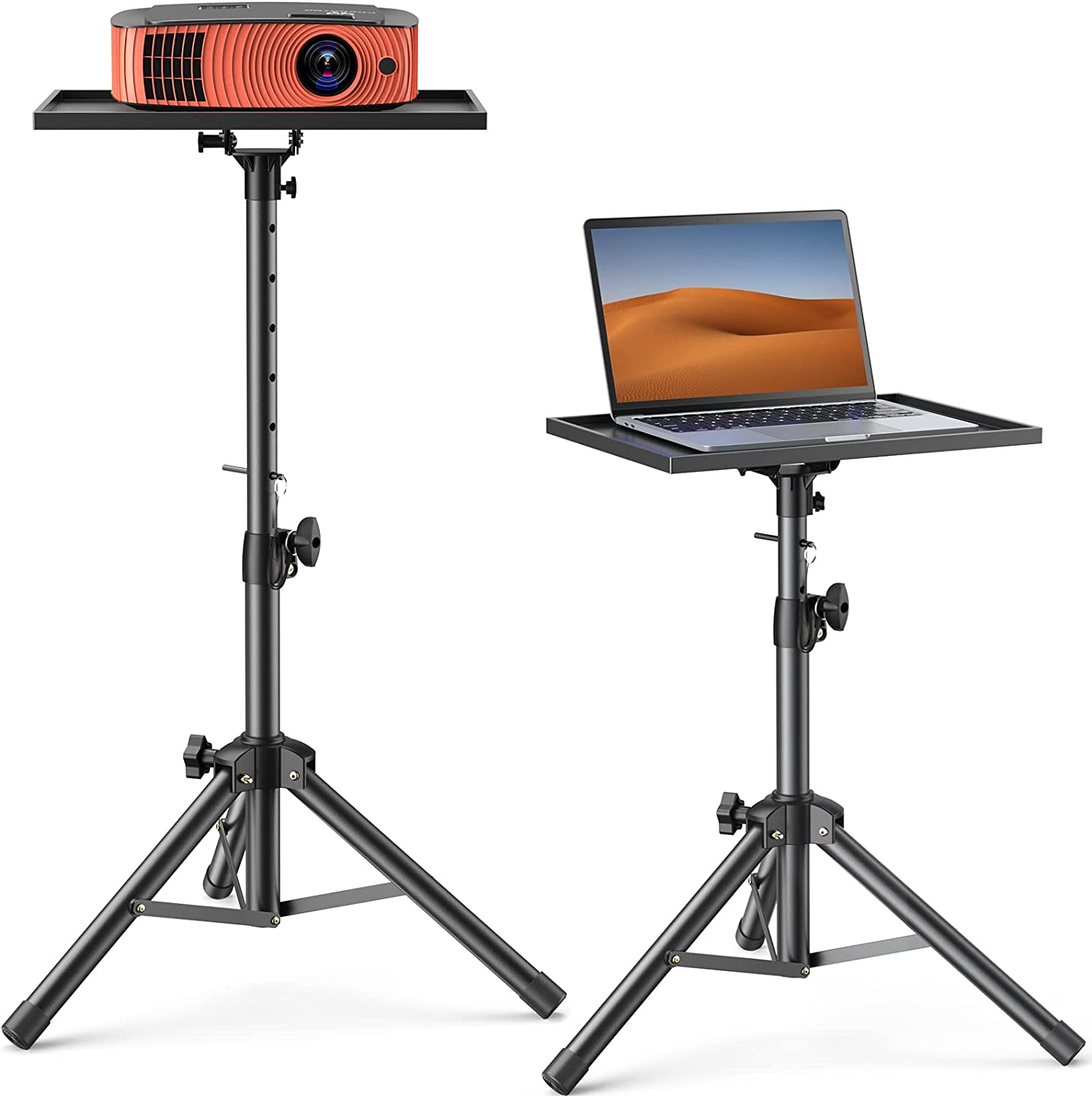
A screw-in speaker mount relies strictly on heavy-duty threaded fasteners. Installers attach these metal plates directly to the TV's rear VESA pattern. Alternatively, they anchor them straight into wooden wall studs or concrete surfaces.
The primary advantages of threaded systems are structurally substantial.
Exceptional static load capacity: They safely secure heavy, premium Dolby Atmos soundbars effortlessly.
Permanent alignment: A rigid bolted connection ensures consistent audio projection featuring absolute zero sag.
Liability reduction: Secure fastening mitigates drop-liability and thoroughly protects high-value AV investments from damage.
Despite these massive benefits, you inevitably face user implementation risks. Installation friction ranks incredibly high among general, non-technical consumers. Attaching these metal brackets requires specific hand tools and technical confidence. Users often need additional hardware pieces to complete the job. These include varying plastic spacers or highly specific bolt lengths. This complexity frequently intimidates novice DIYers into abandoning the installation entirely.
Moreover, frustrating VESA conflicts happen frequently during assembly. Many speaker brackets share the exact mounting holes used by the television's primary wall mount. This dual occupancy complicates the installation process significantly. Installers need proper spacing solutions to prevent hardware binding. If you cater to professional AV integrators, these challenges largely disappear. Experts consider these secure, bolted mounts their standard choice for reliable, zero-callback commercial jobs. They possess the tools and spacers to handle VESA overlaps seamlessly.
Knowing the design types helps, but evaluating build quality actively prevents sourcing failures. We look closely at distinct features-to-outcomes testing protocols. First, verify claimed versus actual load capacities rigorously. You must test static load capability against dynamic load stresses. Assess exactly how the hardware endures intense acoustic vibration over extended operational times.
Acoustic isolation remains critically important for premium sound. Professional mounts feature thick EVA foam or dense rubber dampening pads. These soft inserts prevent irritating plastic-on-metal rattling during intense movie scenes. Without dampening, vibration destroys the listening experience entirely.
Next, scrutinize the core material and overall build quality. Cold-rolled steel gauge thickness consistently outperforms flimsy stamped aluminum. Manufacturers utilizing cheap alloys often experience higher return rates due to metal fatigue. Solid steel strongly resists bending under constant leverage from heavy speakers. Always avoid brittle plastic joints anywhere near load-bearing pivot points. Cheap plastic degrades quickly under thermal stress and invites sudden structural failure. Quality materials fundamentally define the longevity of the mount.
Finally, carefully confirm product scalability. Can the bracket accommodate a basic 2.0 channel entry-level bar easily? Will it securely hold a massive 7.1.4 flagship model just as effectively? Versatile designs reduce your overall SKU count and simplify inventory management.
Soundbar Mount Mechanism Comparison Chart
Evaluation Dimension | Clamp-On Design | Screw-In Design |
|---|---|---|
Max Load Capacity | Light to Medium Weight (Up to 15 lbs) | Heavy Duty (Premium Dolby Atmos Audio) |
Vibration Tolerance | Low (Requires periodic retightening) | High (Permanent bolted fixture) |
Installation Skill | Novice DIY (Tool-free setup) | Intermediate to Advanced Integrator |
Acoustic Isolation | Moderate (Relies on clamp grip pressure) | Excellent (Includes rubber washers and pads) |
Safety standards and regulatory compliance heavily influence B2B purchasing decisions today. You must understand manufacturer liability implications immediately when sourcing hardware. If a bracket fails catastrophically, who covers the damaged television or shattered soundbar? Sourcing subpar, untested metals leaves your company highly exposed to expensive replacement claims. It also invites devastating customer backlash online.
Always verify independent safety standards during your factory audits. Look actively for official UL certification or an equivalent independent load-testing verification. Global compliance metrics differ, but adhering to the strictest North American or European load standards guarantees universal acceptability. You protect your distribution network completely. These rigorous certifications prove the hardware endured extreme stress tests well beyond average daily usage. It signals immense trustworthiness and reliability to your B2B buyers and retail partners.
Furthermore, consider hardware warranty alignment carefully. Ensure the recommended installation method never voids the expensive television's warranty. Improper mechanical stress applied directly to the TV chassis from overtightened clamps easily cracks fragile OLED panels. Similarly, using incorrect screws driven too deep into a VESA opening pierces internal circuit boards. Provide exceptionally clear warnings in your included product manuals to protect consumers. Educating your users effectively shields your brand from unjust warranty disputes and legal headaches.
Building a balanced catalog portfolio requires applying distinct shortlisting logic. You must match your inventory allocations directly to your primary distribution channels. Evaluating these variables systematically removes the guesswork from product sourcing.
For general big-box retailers and D2C eCommerce brands, stock a strategic 60/40 ratio. Favor high-quality clamp-on or hybrid mounts predominantly in this mix. This specific allocation captures the massive DIY and renter market perfectly. Everyday consumers want immediate acoustic results without the hassle of power tools.
Conversely, Pro-AV distributors require a radically different inventory mix. Prioritize heavy-gauge screw-in VESA designs heavily. Professional AV integrators trust these bolted solutions strictly for zero-callback commercial installations. They absolutely refuse to risk expensive client equipment on temporary friction clamps. You empower your sales teams with products they can genuinely stand behind.
Take specific, actionable next steps immediately after reading this guide. Request physical engineering samples directly from your trusted manufacturing partners. Conduct rigorous in-house vibration testing using your absolute heaviest audio SKU. Mount the unit securely, play bass-heavy audio continuously for 48 hours, and measure any microscopic sagging. Finally, thoroughly review the clarity of the included instruction manuals. Poorly translated or confusing instructions guarantee high return rates, regardless of excellent build quality.
Neither mounting design proves universally superior for every single application. The correct choice depends entirely on the audio equipment weight and the end-user's installation context. You must align your hardware offerings directly with realistic consumer capabilities and behaviors.
Start by thoroughly auditing your current audio hardware catalog today. Pair lightweight, entry-level soundbars exclusively with rigorously tested clamp-on models. Reserve your robust screw-in brackets explicitly for premium, heavy-duty SKUs requiring ultimate, uncompromising stability. Segmenting your offerings clearly prevents end-user frustration.
Take definitive action now to optimize your product lineup and eliminate costly consumer returns. Contact our dedicated hardware sourcing team directly. We invite you to request detailed engineering spec sheets and physical sample units for your next comprehensive catalog review.
A: Yes, if improperly tensioned. Ultra-thin OLED panels are extremely susceptible to localized pressure damage. Clamp-on mounts used specifically with OLED screens must feature thick, pressure-distributing rubber pads. They also require strict tension limits to prevent users from accidentally crushing the fragile screen matrix during installation.
A: They absolutely can. Most screw-in mounts install directly between the TV chassis and the wall mount bracket. This dual occupancy requires much longer VESA bolts and specific plastic spacers. Manufacturers must include these extra components in the mounting kit to ensure universal compatibility and prevent hardware binding.
A: While marketing claims vary wildly, actual structural integrity typically maxes out at 10–15 lbs (4.5–6.8 kg) for clamp-on designs. Beyond this threshold, sustained vibration and gravity cause noticeable sagging. Anything heavier absolutely requires a permanent screw-in VESA bracket or a dedicated wall-anchored solution.
A: Hybrid mounts use secure VESA attachment for the main load-bearing structure but feature adjustable brackets to gently cradle the soundbar. They effectively offer the unyielding stability of a screw-in mount combined with the universal fit of a clamp. This makes them a remarkably strong middle-ground for diverse product ranges.
